Ask where the towels live and half of Cumbernauld answers with a sigh: they used to live in the airing cupboard, until the combi conversion turned it into an empty box with a boiler in it — or deleted it into bedroom space entirely. The bathroom inherited the storage burden and, in most refits, nobody budgeted for it. This is the guide to designing the storage back in properly.
The Vanished Cupboard
The airing cupboard was never just shelves — it was a system: warm, dry storage that aired linen while housing it, fed free by the cylinder's standing heat. The combi era (which reached most local stock — the plumbing history explains the wave) removed the cylinder and with it the warmth, and usually the cupboard. The system's three functions — bulk storage, airing, and absorbing the household's soft-goods overflow — scattered, mostly onto bathroom radiators and bedroom chairs. A refit is the moment to rebuild all three deliberately.
Audit What Actually Needs Housing
Before buying units, inventory honestly: daily-use items (the basin-side clutter), the small chaos (medicines, razors, spare toothbrushes), bulk towels and linen, cleaning products (safely), and laundry-in-waiting. Each class wants different storage — the classic mistake is buying one cabinet and expecting it to swallow five categories. The second classic mistake: storing everything in the bathroom's humidity; linen prefers dry air, which shapes the answer below.
The Storage Stack
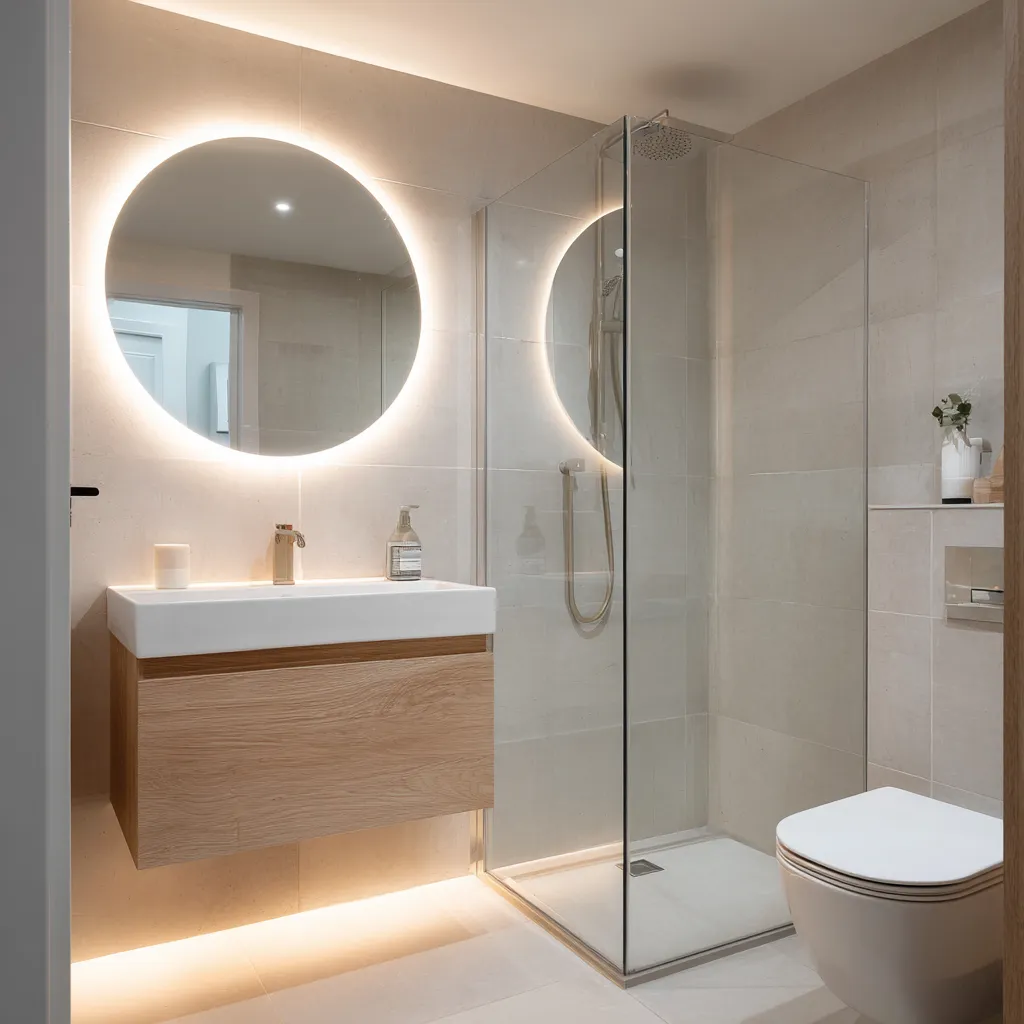
- Vanity unit — the workhorse: daily clutter off the surfaces, plumbing hidden, 600 mm of drawers outperforming any shelf arrangement (wall-hung vs floor-standing covers the choice)
- Mirror cabinet — the small chaos, behind glass at eye height; lit versions do triple duty (the comparison)
- Tall unit — the towel tower: 300–400 mm of footprint housing what the airing cupboard held; the piece most refits wrongly skip
- Niches and ledges — recessed shelving built into the wet wall build-up during the refit: shampoo storage that costs floor space nothing and can't be added later
Reclaiming the Dead Spots
Most bathrooms hide unclaimed volume: the ex-cylinder cupboard itself (if the shell survived, shelve it — it's the best linen store in the house even cold); over-door airspace (a high shelf for the rarely-touched); bath-end walls; and the boxed soil stack, whose re-boxing during a refit can incorporate shelving (the space audit in our stack guide). In deck-access flats where the footprint is fixed, these reclaimed voids are usually the whole storage budget — which makes claiming them during the refit non-optional.
Replacing the Airing Function
Storage without warmth stores; it doesn't air. The modern substitutes: a properly sized heated towel rail (dual-fuel, so towels dry in summer without the boiler) handles the daily cycle; linen keeps best outside the bathroom in dry bedroom storage — the honest answer nobody wants; and good ventilation (the circuit) keeps the room itself dry enough that stored goods don't suffer for being there.
The Small-Room Version
In 3.5 m² the stack compresses but survives: wall-hung vanity (floor visibility matters most in small rooms), lit mirror cabinet, and the tall unit slimmed to 300 mm or traded for reclaimed-void shelving. What never works: open shelf clutter substituting for closed storage — small rooms amplify visual noise. The small bathroom guide carries the full compact playbook; the principle here is simpler — storage is a design line in the quote, not a trip to the shops afterwards.
Related reading: Small bathroom ideas, Mirror cabinets vs LED mirrors, Towel rails vs radiators, Floating vanities.
Not sure which way to go in your own bathroom? Call 01236 801802 — a five-minute conversation usually settles it.